


A touching story about a teenager protecting stray dogs has been shared thousands of times across social media, and although the story has been proven fake, the response shows just how much people still care about kindness and compassion.
Johannesburg, South Africa (07 March 2026) – There’s a story doing the rounds on Facebook right now that sounds exactly like the kind of thing that would melt your heart. A story that makes you stop scrolling, smile for a second, and maybe even share it with your friends because the world can feel a little lighter when you read something good.
But this one isn’t real.
A Facebook page called “Fact Fuel” recently shared a post that is currently going viral in South Africa. It tells the story of a young teenage girl who noticed stray dogs wandering along dark roads at night and decided to start using her pocket money to buy reflective collars for them so that drivers could see them in the headlights.
“On the busy streets of South Africa, traffic continues long after the sun goes down. Headlights sweep across dark roads where stray dogs often wander unseen, making them vulnerable to accidents. One teenage girl noticed this danger while walking home each evening. Instead of ignoring the problem, she began saving a portion of her pocket money to buy reflective collars that glow brightly when car lights hit them.
With every collar she purchases, another street dog becomes visible in the darkness. The reflective strips shine under headlights, giving drivers precious extra seconds to slow down or steer safely. She gently approaches the dogs she sees regularly, fastening the collars around their necks so they can move through the night more safely.
Her effort started with just a few collars, but the impact quickly spread through the neighbourhood. Residents began noticing the glowing bands along the roadside and understanding the purpose behind them. What began as one teenager’s small act of care now protects dozens of animals — proving that even simple ideas can illuminate the darkest streets.”
It’s a story that feels like it belongs on Good Things Guy. The problem is… it doesn’t exist.
The post has already garnered more than 13,000 reactions, with over 700 comments and more than 1,000 shares. I’ve been tagged in it multiple times, and I’ve seen it reposted by various pages, including a few South African ones, all sharing the exact same copy and image (or sometimes altering the photo using AI).
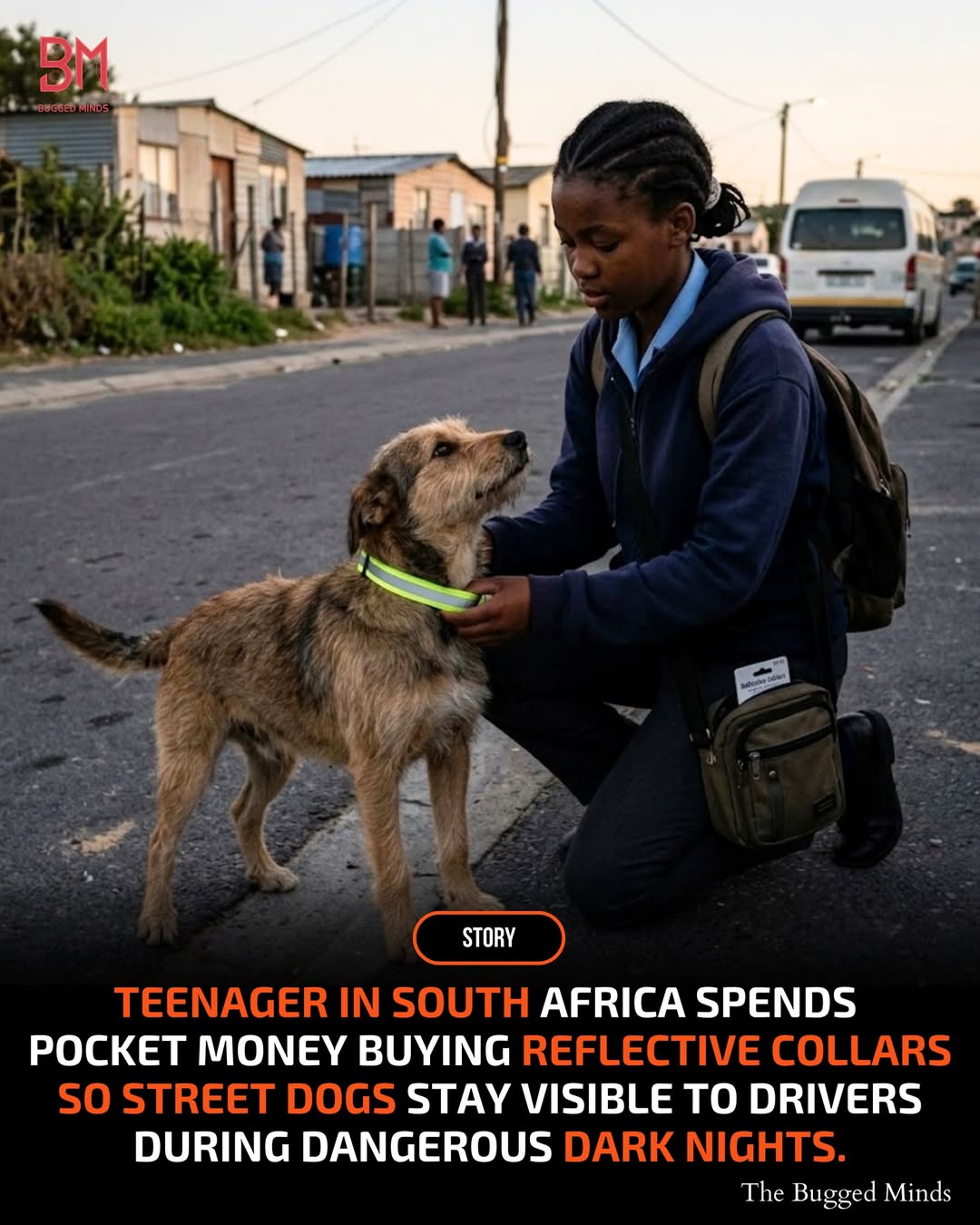
The truth is that the story is fake. The copy was generated by AI. The photo was generated by AI. And the Facebook page sharing it isn’t even based in South Africa. It’s based in India. But they’re telling a South African story because it opens them up to a brand new audience. Once you engage with a post like this, the algorithm starts feeding you more content from that page. And the more you interact with it, the more money they make from Facebook’s monetisation systems.
It’s emotional by design. Heartfelt. Carefully crafted to make you feel something so that you click, react, comment or share. And just like that, you’ve been pulled into the machine.
I’ve spoken about this before because there are dozens of pages doing exactly the same thing. They create feel-good stories that never happened, attach an AI-generated photo, sprinkle in just enough emotion and let the algorithm do the rest. But there is good news here, because spotting these stories is becoming easier once you know what to look for.
The first big red flag is vagueness. The story never mentions an actual place, and the teenager doesn’t have a name. Real stories have details. They tell you where something happened, who was involved, and usually how you can help or get involved yourself.
The second clue is the image. AI-generated photos are getting better but there is often still something slightly off about them. It’s difficult to explain unless you’ve looked at thousands of real images, but once you notice it, you start seeing it everywhere.
The third sign is when nobody credible is reporting on it. I’ve seen a number of pages reposting the story as if it’s their own, but every version is word-for-word identical. Same copy. Same photo. No original reporting. If this story were real, it would already be everywhere. And it would absolutely be on Good Things Guy.
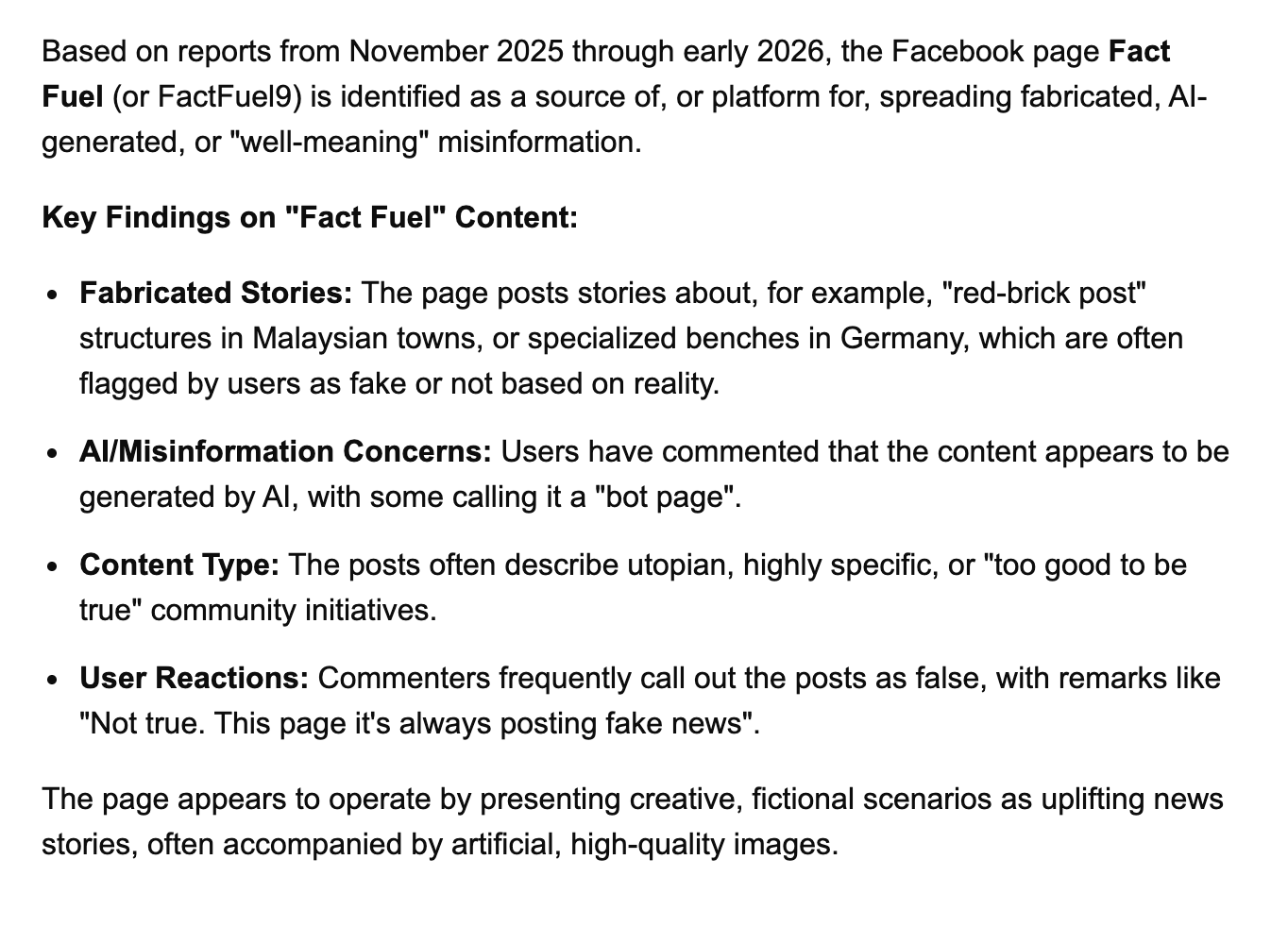
And finally, the source matters. The page behind this post has a track record. If you search their name along with the words “fake news,” you’ll quickly see reports identifying the Facebook page Fact Fuel as a platform known for spreading fabricated, AI-generated or “well-meaning” misinformation.
So yes… this story about a teenager buying reflective collars for street dogs isn’t real. But the fact that so many people cared enough to react, comment, tag friends and share it says something incredibly important: South Africans want stories about kindness. They want stories about people helping animals. They want stories about someone noticing a problem and doing something about it.
And that part is very real.
The internet may be full of fake posts trying to trick us but it’s also full of people who still believe that small acts of kindness matter. And the more we learn to spot the difference between a manufactured story and a genuine one, the easier it becomes to make sure the real heroes get the attention they deserve.
So the next time a story pops up in your feed that feels almost too perfect, take a moment to check the details. Look at the source. Ask a few questions. While fake stories may travel fast, the real good news is that people are getting smarter about the stories they choose to believe.
 by
by 